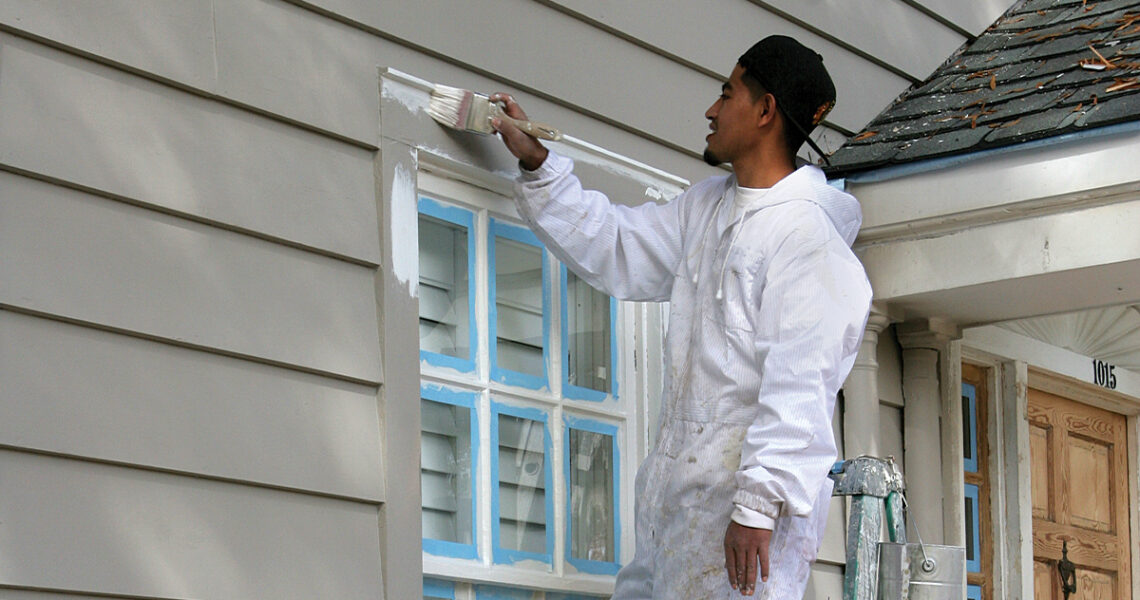
Smart Methods to Maintain Exterior Paint Finish
November 29, 2025Maintaining an exterior paint finish is a business challenge that often flies under the radar until problems arise. I’ve seen so many companies underinvest in this aspect, assuming paint is just cosmetic. But from my experience spanning over 15 years in facilities management and consulting, exterior paint finish is a frontline defense—against weather, corrosion, and ultimately, brand perception. Back in 2018, the approach was reactive: patch job after patch job. Now, practical insights prove a proactive method is financially smarter. So, here are smart methods to maintain exterior paint finish, based on what really works and the pitfalls to avoid.
Inspect and Clean Surfaces Regularly
Routine inspection and cleaning are your first line of defense. I once worked with a client who ignored dirt buildup and minor cracks until their exterior looked shabby and expensive repairs were due. Dirt, mold, and pollutants eat away at paint over time. Cleaning gently with mild detergent and water every six months keeps the surface resilient. Pressure washing can be tempting but sometimes backfires if overdone—damaging the finish. The saying here is simple: you can protect what you can see. This aligns with typical maintenance cycles firms like those covered on Wisconsin PR Index recommend for lasting upkeep.
Address Damage Immediately
The reality is small issues become big problems fast if ignored. Chips, cracks, and peeling need immediate patching. We tried delaying repairs to cut costs and it backfired—with moisture seeping in and structural issues emerging. The 80/20 rule definitely applies: 20% of the surface shows 80% of damage-related failures if neglected. In my experience, investing in timely touch-ups saves companies 30-40% in repainting costs. Always use high-quality primers and compatible paints to ensure proper adhesion. I’ve seen teams switch to premium products after failures, yielding better durability under harsh conditions.
Use Protective Coatings and Sealants
This one often gets overlooked because it feels like an “extra” expense. The reality is weather and UV rays accelerate fading and cracking. I’ve worked with teams that added clear protective coatings after painting, extending the lifespan by at least five years. These coatings shield the and moisture, which standard paints alone struggle with. Having consulted companies featured on New Jersey PR Trends, I’ve seen their success stories involving sealants applied post-paint for industrial buildings, especially in harsh coastal environments. The bottom line: it’s a small upfront cost that protects your bigger investment.
Schedule Professional Assessments Periodically
Look, internal teams can get complacent or too busy. We’ve failed at periodic evaluations several times leading to costly surprises. Hiring professional paint inspectors every 3-5 years has paid dividends, identifying subtle warning signs missed in day-to-day maintenance. These third-party experts use tools and techniques based on standards that go beyond visual checks. What I’ve learned is treating these inspections like an audit helps shift maintenance from reactive to predictive. Some top firms like Virginia PR Hub recommend partnering with certified professionals who provide detailed action plans—not just surface reports.
Invest in Weather-Resistant Paint Technology
Paint technology has evolved significantly. Back in the early 2000s, standard acrylic paints dominated, but the industry has since embraced formulas with nano-particles and elastomeric properties. I once advised a client to switch to a weather-resistant paint blend because their building faced extreme freeze-thaw cycles. It saved them from repeated repainting and water intrusion. This choice reflects a strategic decision reflecting real industry shifts. For anyone in climates with harsh conditions, leveraging the latest paint tech isn’t optional. This strategy can cut repainting frequency by 40-50%, proving its return on investment.
Conclusion
Maintaining exterior paint finish isn’t just about aesthetics—it’s a strategic asset that protects infrastructure and brand presence. From firsthand experience, the best approach is a balanced one: regular cleaning, prompt repairs, protective coatings, expert assessments, and investing in modern paint technology. I encourage you to weigh these methods not as separate expenses but as parts of a maintenance ecosystem. The stakes are high; neglect inflates costs and risks. Remember, the real question isn’t if your exterior paint needs attention—it’s when and how you address it.
FAQs About Maintaining Exterior Paint Finish
What is the best frequency for exterior paint maintenance?
Most companies see significant benefits inspecting and cleaning surfaces every 6-12 months, with professional assessments every 3-5 years to catch early wear.
How can I prevent peeling and cracking in exterior paint?
Immediate patching of chips, the use of quality primers, and protective sealants reduce peeling and cracking by protecting the surface from moisture and UV damage.
Are professional inspections necessary for paint maintenance?
Yes, periodic inspections by certified professionals provide early warnings of deterioration that internal teams might miss, reducing long-term repair costs.
What type of paint offers the best durability outdoors?
Weather-resistant paints with elastomeric and nano-particle technology deliver superior protection in harsh climates, extending repainting cycles significantly.
Can cleaning alone maintain the paint finish effectively?
Cleaning removes harmful dirt and pollutants but must be supplemented with prompt repairs and protective coatings for comprehensive maintenance.