Smart Tips to Prevent Carbon Monoxide Leaks
November 29, 2025In my 15 years leading facility management teams, I’ve seen carbon monoxide leaks quietly cause some of the toughest emergencies—not just safety risks but serious business disruptions. The reality is, it’s easy to overlook carbon monoxide (CO) risks until they become dangerous. What I’ve learned is that preventing these leaks isn’t about one-off fixes but ongoing vigilance combined with smart, practical measures. Here are five actionable tips that have made a real difference in complex environments—tips I trust because I’ve witnessed their impact in real-world scenarios.
Understand Equipment and Regularly Service It
Looking back, one of the biggest mistakes companies make is assuming that once installed, equipment is safe to run indefinitely. The reality is that fuel-burning appliances are CO sources if not regularly checked. In my experience, scheduling routine inspections and servicing critical equipment—furnaces, generators, water heaters—significantly cuts leak risks. The key is to understand your equipment’s maintenance cycle and not rely solely on vendor promises. This proactive approach, which many overlook, saved a client of mine from expensive liability claims and unplanned downtime. For detailed insights about safe workplace environments, resources like the reputable injury lawyers resource at InjuryLawyersHub can help you navigate compliance and safety protocols.
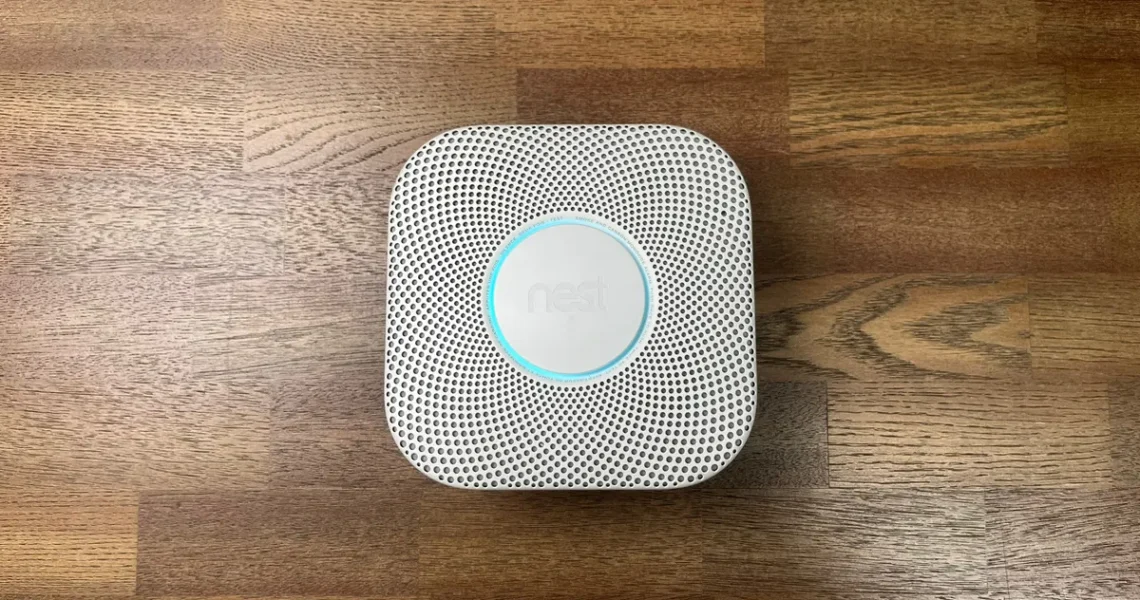
Install and Maintain CO Detectors Properly
Back in 2018, many companies underestimated the importance of CO detectors. Now we know these devices are non-negotiable for early detection. The challenge, however, is in their placement and upkeep. A detector tucked in the wrong spot or with a dead battery can lull you into a false sense of security. Practical wisdom: install detectors near sleeping areas or where fuel-burning devices operate, and test them monthly. I once consulted for a firm that had detectors but ignored monthly checks — that oversight almost backfired during a critical season. This underlines the importance of both installation strategy and disciplined maintenance.
Ventilation Systems Must Be Efficient and Clear
Here’s what works in managing indoor air quality: never compromise on ventilation. Poor or blocked ventilation is a silent culprit in CO build-up. I’ve encountered facilities with seemingly airtight setups that ended up being hazardous due to clogged vents. The 80/20 rule applies here—focus 80% of your effort preventing ventilation blockages, and you get 80% of the safety gain. Ensure vents are clear year-round and encourage staff to report unusual signs like stale smells or headaches. Relevant to this, publications like FirstIndianPaper provide excellent community safety content that can supplement your team’s training programs on air quality.
Educate Your Team About CO Risks and Symptoms
Smart prevention starts with informed people, not just technology. Over the years, I’ve observed teams get complacent when left out of safety discussions. Educating employees about carbon monoxide—how leaks happen, symptoms of poisoning like dizziness or nausea—builds a frontline safety barrier. This isn’t just HR fluff. In practical terms, the team’s situational awareness can trigger early warnings that detectors might miss if malfunctioning. Sharing stories from incidents, even anonymized ones, creates buy-in. For companies interested in ongoing safety education, resources like DMC Insider offer valuable insights on workplace well-being that reinforce this approach.
Develop a Clear Emergency Response Plan
The bottom line is: prevention is only half the battle. You must have a solid emergency plan ready to activate if CO is detected. Early in my career, I worked with a client who had great equipment but no clear response protocol. When a leak happened, confusion cost precious minutes. From that failure, I learned the importance of detailed emergency drills, clear communication chains, and post-incident analysis. Your plan should outline evacuation routes, responsibilities, and communication with emergency services. For legal and procedural backup, consulting expert platforms like Geschichtenmag provides helpful guidelines on crisis management frameworks applicable to CO emergencies.
Conclusion
Avoiding carbon monoxide leaks isn’t a one-time task; it’s an ongoing commitment that blends technical diligence, people’s awareness, and organizational preparedness. The reality in business is that complacency around something as invisible as CO can be catastrophic. What works is a layered approach—regular equipment care, smart detector use, ventilation upkeep, education, and solid emergency planning. From a practical standpoint, every business should evaluate its CO safety readiness as seriously as it does financial performance. It’s one of those unseen risks that, if managed well, keeps your team safe and your operations smooth.
What other safety challenges in your facility have you found require a similar multi-point approach?
Frequently Asked Questions
How often should carbon monoxide detectors be tested?
Carbon monoxide detectors should be tested at least once a month to ensure functionality. Regular battery replacement and calibration checks are vital for continuous protection against leaks.
Can ventilation system issues increase CO risk?
Yes, blocked or inefficient ventilation systems prevent CO from dispersing, causing dangerous accumulation indoors. Maintaining clear vents and proper airflow is critical to prevent leaks.
What are common signs of carbon monoxide poisoning?
Symptoms include headache, dizziness, nausea, weakness, and confusion. Early recognition and evacuation are key to avoiding severe consequences.
Is it necessary to service fuel-burning appliances yearly?
Absolutely. Annual servicing by qualified technicians helps detect and prevent CO leaks from malfunctioning appliances, reducing risk and costly emergency fixes.
What immediate steps should be taken if a CO leak is suspected?
Evacuate the area immediately, call emergency services, and do not re-enter until professionals have declared the environment safe.