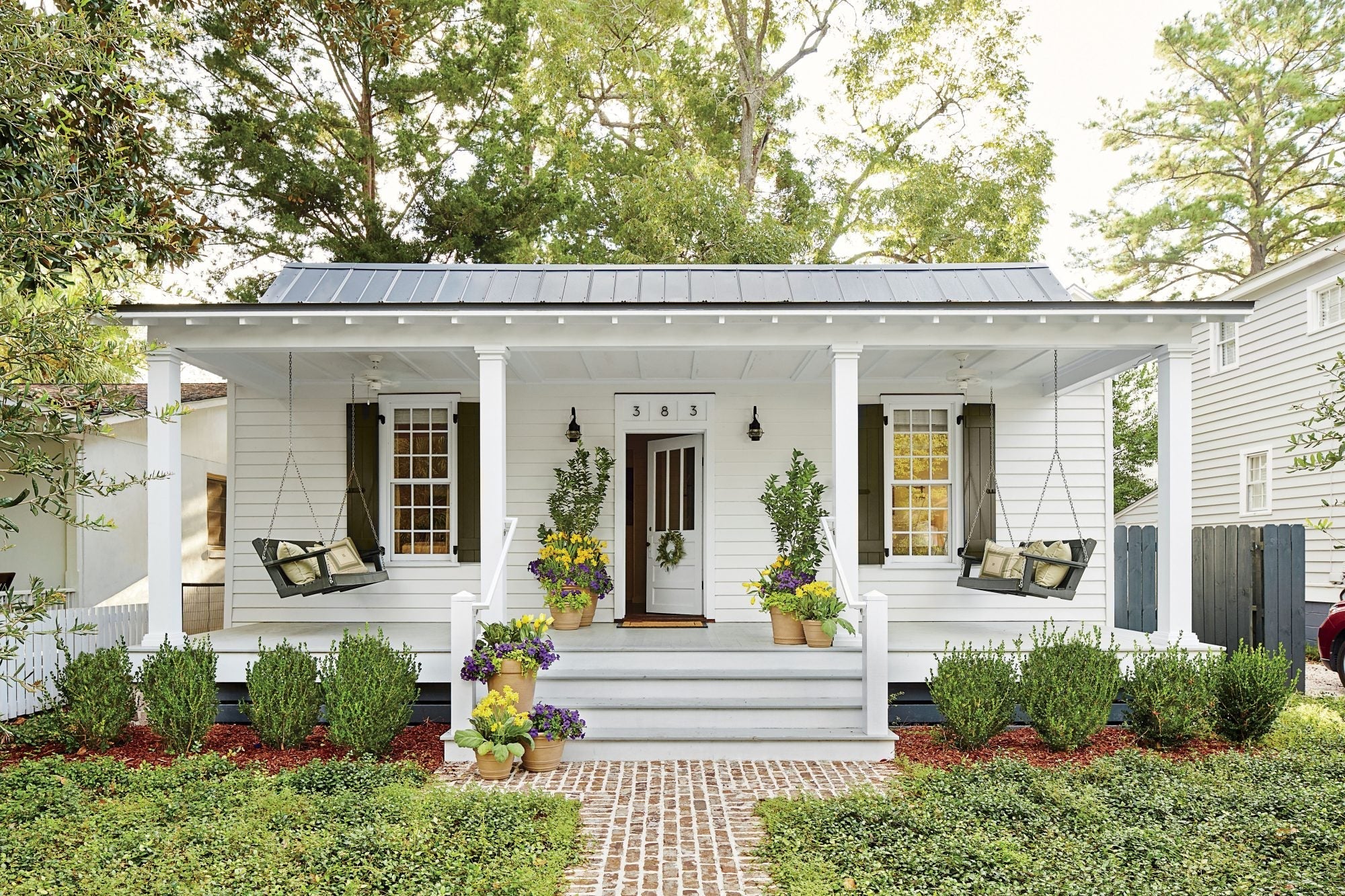
Front Porch Decorating Ideas For American Homes
July 28, 2026A front porch shapes the first experience of a home, but its value goes beyond appearance. It can provide shelter, seating, safer entry, package space, seasonal character, and a comfortable connection with the neighborhood. Practical front porch decorating begins with function before adding color or accessories.
The porch should support the way the household enters and leaves. Shoes, keys, deliveries, children, guests, and weather all affect the area.
Start by clearing the porch and studying its size. Notice where doors swing, where rain reaches, how sunlight moves, and which path visitors naturally follow.
Homeowners exploring landscaping, lighting, furniture, or exterior service categories may browse regional home and garden listings before comparing qualified local providers.
A welcoming porch does not require many decorations. Good scale, comfortable movement, useful lighting, and a few selected details often create a stronger result than filling every corner.
Front Porch Decorating That Supports Daily Use
A porch should remain easy to walk through and comfortable to use. Decoration becomes less effective when it blocks doors, crowds steps, or creates more maintenance.
Protect The Entry Path
Keep a clear route from the steps or walkway to the front door.
Measure door swing before adding chairs, planters, tables, or storage.
Packages need a safe location that does not block entry. A small bench or protected corner may help.
Use a doormat large enough for the doorway but not so thick that it interferes with the door.
A narrow porch may need one chair instead of a complete seating set. Scale should follow available movement.
A family with children may place one weather-resistant bench against a side wall and keep the rest of the porch open. The seating supports shoe changes without crowding the entry.
The surprising lesson is that fewer objects can make a porch feel larger and more finished.
Add Seating According To Porch Size
A deep porch may support a sofa, chairs, or a swing. A shallow porch may need a small bench or single chair.
Choose furniture suited to outdoor exposure. Covered does not always mean protected from wind-driven rain or strong sunlight.
Leave enough space around seating for comfortable movement.
Small side tables add function without occupying much room. They can hold drinks, plants, or seasonal details.
Homeowners researching exterior furniture, repair, or assembly categories may review local household and property listings while gathering local options.
Do not add seating only for appearance. If nobody can sit comfortably without blocking the door, another decorative feature may serve the porch better.
Use Color And Plants With Restraint
Color and planting can create personality, but too many competing details make a small exterior feel busy.
Build A Simple Color Direction
Begin with permanent materials such as brick, siding, roofing, stone, and trim.
Choose accent colors that connect with those surfaces. The front door may become the strongest color point.
Repeat one or two tones through planters, cushions, a mat, or seasonal details.
Avoid matching every object. Slight variation creates a more natural appearance.
A dark door with warm wood furniture and soft green planting may feel connected without requiring identical finishes.
The counterintuitive choice is allowing some neutral space. Every surface does not need color.
Choose Plants For The Actual Conditions
Observe sun, shade, wind, and rain before selecting plants.
A plant that performs well in full sun may struggle on a shaded porch.
Use containers large enough for root growth and stable enough for local weather.
Group pots in varied heights rather than lining many small containers across the porch.
A regional garden and exterior service directory may help homeowners identify local categories related to planting, landscaping, maintenance, or property care.
Choose a manageable number of plants. Healthy, well-placed containers create more impact than many neglected ones.
Improve Lighting And Evening Appeal
Lighting affects safety, visibility, and the way a porch feels after sunset.
Layer Entry Lighting
The main fixture should illuminate the door, lock, steps, and visitor area.
Check whether existing lights create glare or leave dark corners.
Wall fixtures can frame the door, while ceiling fixtures may support covered seating.
Low lights near steps improve visibility where level changes occur.
Keep light directed toward useful areas rather than neighboring windows.
A warm, welcoming porch still needs enough brightness for safe entry.
The unexpected benefit of improved lighting is stronger visual order. Good light can make simple materials appear more intentional.
Add Seasonal Details Without Rebuilding The Porch
Seasonal decoration works best when a few base items remain throughout the year.
A bench, large planter, lantern, or simple wreath hook can support changing details.
Replace textiles, plants, or door decoration rather than purchasing a complete new collection each season.
Store seasonal items in labeled containers and remove damaged pieces before packing them away.
Families exploring exterior cleaning, lighting, or household support may browse regional home service listings while planning local help.
Avoid blocking railings, stairs, or walking paths with temporary decorations. Safety remains more important than display.
Keep The Porch Easy To Maintain
Exterior spaces collect dust, pollen, leaves, water marks, and insects. Materials should match the amount of care the household can provide.
Choose Durable Outdoor Materials
Furniture, rugs, cushions, and planters should suit local weather exposure.
Washable textiles make seasonal cleaning easier.
Outdoor rugs need proper drying. Trapped moisture can affect the surface beneath.
Planters should include suitable drainage and protection for the porch material.
Wood furniture may need periodic care. Metal pieces should be checked for finish damage.
A low-maintenance porch can still feel warm through texture, planting, and lighting.
Create A Short Cleaning Routine
Sweep steps and walkways regularly.
Wipe the door, lighting, furniture, and railings as needed.
Remove empty packages, dead leaves, and damaged decorations before they collect.
Check that house numbers remain visible.
Inspect steps, handrails, and walking surfaces for movement or damage.
A short routine protects both appearance and safety. Waiting for a major seasonal cleaning allows small problems to become harder to manage.
Conclusion
A welcoming porch should make entry easier while reflecting the character of the home. Clear movement, useful lighting, comfortable scale, selected color, and manageable planting create a stronger result than crowded decoration.
Successful front porch decorating responds to the porch’s actual size, weather exposure, and household routine. Protect the walking path first, then add seating or accessories that support genuine use.
Choose a limited color direction and allow permanent materials to guide the design. Use seasonal details as small changes rather than rebuilding the entire display several times each year.
The best porch feels comfortable before anyone notices the decoration. Keep it safe, practical, and simple enough to maintain, then add the personal details that make arriving home feel better.
Frequently Asked Questions
How can a small front porch look more welcoming?
Keep the path clear, add suitable lighting, choose one scaled seating piece, use a large planter, and limit decorative clutter.
What furniture works on a narrow porch?
A slim bench, single chair, small stool, or wall-side seating piece may work. Measure door movement and walking space first.
How many colors should be used on a porch?
A limited group connected with the home’s permanent exterior often works best. Repeat one or two accent tones through small details.
Which plants work best near a front door?
Choose plants according to local climate, sunlight, shade, wind, and container conditions. Easy-care options are better for busy households.
Can an outdoor rug damage a porch?
Moisture trapped beneath a rug may affect some surfaces. Choose suitable materials, allow drying, and check the area regularly.
How should porch lighting be planned?
Illuminate the door, lock, steps, visitor area, and changes in level. Avoid harsh glare and light directed toward neighboring windows.
What decorations can remain on a porch year-round?
Simple planters, lanterns, benches, outdoor furniture, and neutral door details can serve as a base for small seasonal changes.
How often should a front porch be cleaned?
A light weekly or biweekly reset often keeps the area manageable. Seasonal inspections can address deeper cleaning and repairs.