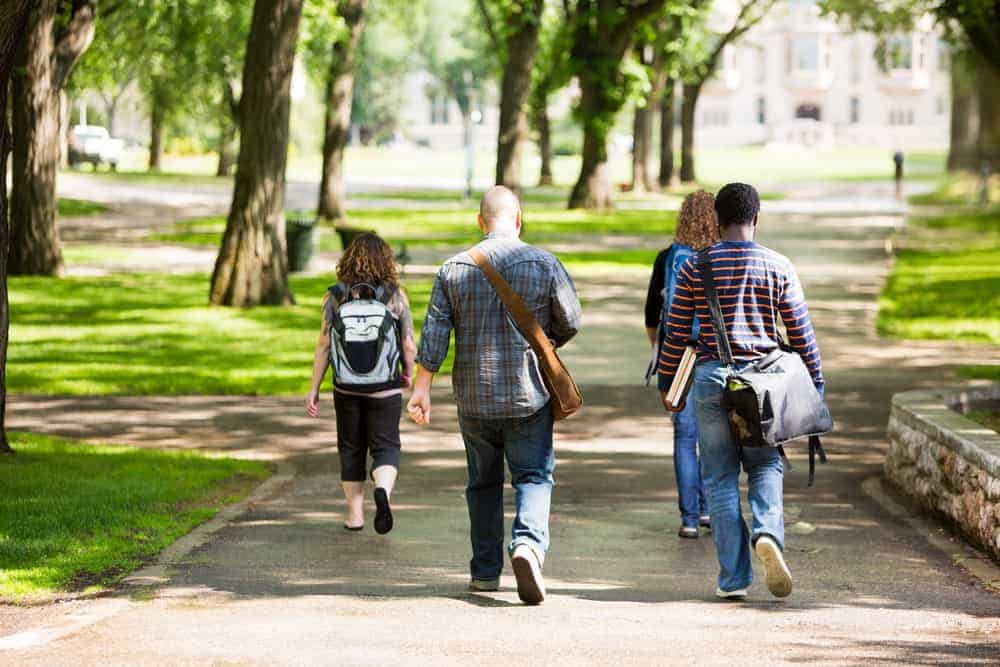
Campus Safety Tips For American College Students
July 29, 2026College gives students greater independence, but independence also requires awareness and responsible decision-making. New students may be living away from home for the first time, navigating unfamiliar buildings, meeting new people, and managing their own schedules. Campus safety habits can help students protect themselves without creating unnecessary fear.
Preparation begins with learning how the campus operates. Students and families can review practical student living guides while preparing for college routines, housing, transportation, and personal responsibilities. Every campus has different safety resources, so students should learn the specific procedures at their school.
The strongest safety habits are often simple. Paying attention, planning transportation, protecting personal information, and knowing where to seek help can reduce avoidable risks.
Learn Campus Safety Resources
Students should identify the campus safety or police office before an emergency occurs. They should save important phone numbers in their contacts.
Many colleges provide emergency alert systems. Students should confirm that their phone number and email address are registered.
Emergency alerts may provide information about weather, building closures, safety concerns, or other urgent situations.
Students should learn where emergency phones, help stations, or call boxes are located. These may be placed near parking areas, residence halls, walkways, and academic buildings.
Campus maps can help new students find well-lit routes and important offices.
Some schools offer safety escorts or transportation services during evening hours. Students should understand how to request these services.
Orientation programs often explain campus procedures. Students should pay attention and save relevant information.
Useful college life and home blogs may provide general preparation ideas, but official campus instructions should guide students during specific emergencies.
Stay Aware While Walking
Students often move between classes while checking phones, listening to music, or carrying several items. Distraction can reduce awareness.
Phones should be used carefully while walking. Students should look around, especially near roads, parking areas, and unfamiliar locations.
Headphones should remain at a volume that allows surrounding sounds to be heard.
Well-lit and frequently used routes are generally better choices at night.
Students should walk with friends when possible, especially in unfamiliar areas.
A friend or roommate can be informed about late schedules or unusual travel plans.
Students should trust their instincts. If a location or situation feels uncomfortable, they should move toward a public area and seek help.
Personal safety devices should be used only according to campus rules and local requirements. Students should understand policies before carrying any item intended for protection.
Protect Residence Hall and Apartment Security
Residence halls may feel safe because many students live nearby, but doors should still be secured.
Students should lock room doors even when leaving for a short time. Keys and access cards should not be shared.
Exterior doors should not be held open for unknown individuals. Visitors should follow residence hall entry procedures.
Students should avoid posting room numbers or detailed schedules publicly.
Valuable items such as laptops, phones, identification, and important documents should be stored carefully.
Roommates should discuss security expectations. They should agree on locking doors, managing guests, and reporting missing keys.
Windows should be secured when rooms are empty, especially on lower floors.
Apartment residents should learn building entry procedures and report broken locks, poor lighting, or damaged doors.
Students who need help managing housing-related concerns may use trusted home and student support services as part of broader planning, while urgent security concerns should be reported directly to appropriate campus or local authorities.
Use Transportation Safely
College students may use campus buses, public transportation, bicycles, rideshare services, cars, or walking routes.
Students should check transportation schedules before leaving. Waiting alone in an unfamiliar area can be avoided through planning.
When using rideshare services, students should confirm the vehicle, driver information, and destination before entering.
Seat belts should always be used.
Students should avoid entering vehicles when information does not match the booking.
Public transportation riders should remain aware of stops and belongings.
Drivers should not use phones while operating vehicles. Parking areas require attention because pedestrians may appear unexpectedly.
Bicycles should have suitable lights and reflectors when used after dark. Helmets should be worn.
Students should secure bicycles with appropriate locks and use designated parking areas.
Weather conditions may affect transportation. Students should allow extra time during snow, heavy rain, extreme heat, or other difficult conditions.
Protect Personal and Digital Information
Campus life involves frequent use of shared networks, learning platforms, email, payment systems, and social media.
Students should use strong, unique passwords for important accounts.
Multifactor authentication should be enabled when available.
Suspicious messages should not be opened without careful review. Emails may imitate school departments or request urgent payments.
Students should confirm unusual financial requests through official contact information.
Devices should be locked when unattended.
Public computers should not store passwords. Students should sign out completely after use.
Personal information should not be posted publicly. Class schedules, travel plans, room locations, and financial details can create unnecessary risk.
Important documents should be stored securely. Copies may be kept in a protected digital location.
Practice Responsible Social Safety
College social life may include parties, events, clubs, sports, and gatherings. Students should plan transportation and communication before attending.
Friends should watch out for one another.
Students should avoid leaving drinks unattended and should not accept open beverages from unknown people.
Personal limits should be respected. No one owes another person attention, access, transportation, or personal information.
Clear consent is necessary in personal interactions. Pressure, manipulation, or impairment can affect a person’s ability to make decisions.
Students should leave situations that feel unsafe. They do not need to remain polite when personal safety is a concern.
A charged phone can provide communication and transportation access.
Students should know how to contact campus support, medical services, counseling, or emergency assistance.
College-focused student safety and lifestyle media may provide general awareness ideas, but immediate threats require direct contact with emergency or campus safety services.
Prepare for Emergencies
Students should know emergency procedures for residence halls, classrooms, laboratories, and other buildings.
Fire exits should be identified. Elevators may not be appropriate during certain emergencies.
Students should follow evacuation instructions and avoid returning to buildings before approval.
A small emergency kit may include a flashlight, charger, basic supplies, weather protection, and necessary personal items.
Students with medications should plan how to access them during emergencies.
Families should discuss communication methods. During major incidents, text messages may be more reliable than repeated calls.
Students should keep emergency contacts updated.
Report Concerns Early
Safety problems should not be ignored because they seem minor.
Broken lights, damaged locks, unsafe walkways, suspicious behavior, or threatening messages should be reported.
Students who experience harassment, stalking, theft, violence, or other serious concerns should seek appropriate support.
Friends can encourage reporting without forcing a person to share details publicly.
Documentation may be useful when safe to collect. Messages, dates, and descriptions can help explain a situation.
Campus safety is a shared responsibility, but students should not blame themselves for the harmful actions of others.
Awareness and preparation create confidence. Students who know campus resources, protect personal information, communicate with trusted people, and make thoughtful decisions are better prepared for college life.
Safety habits should support independence rather than limit it. With practical planning, students can explore campus opportunities while remaining alert and connected.