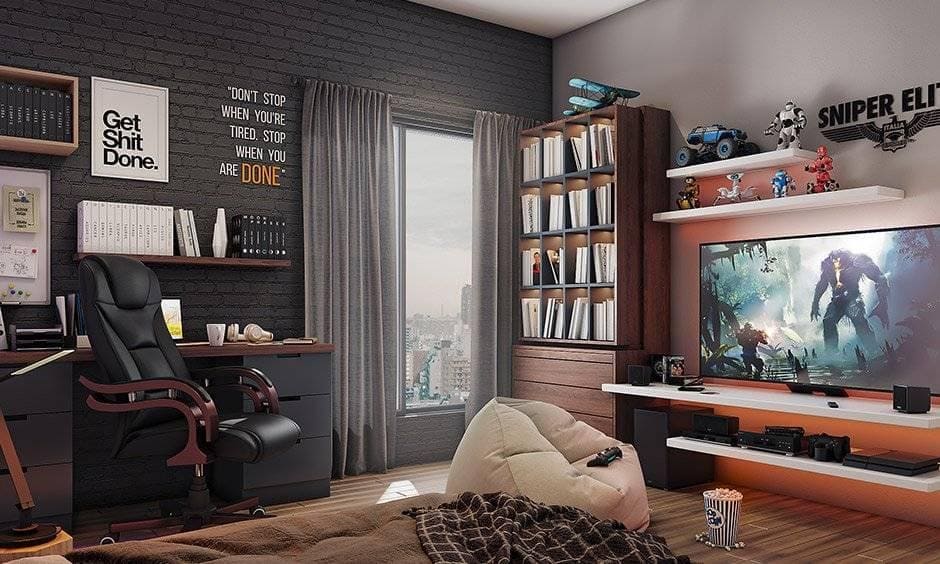
Gaming Setup Ideas For American Small Rooms
July 29, 2026Gaming can provide entertainment, social connection, competition, creativity, and relaxation. However, many American players live in apartments, shared homes, college housing, or small bedrooms where space is limited.
A compact room does not prevent someone from creating a comfortable and organized gaming setup. Good planning is often more important than buying large furniture or expensive equipment.
The best small-room gaming areas use vertical space, reduce cable clutter, support healthy posture, and keep important equipment within easy reach.
Players should begin with the room they have rather than trying to copy oversized setups shown online. A practical arrangement can look attractive, support long gaming sessions, and leave enough space for daily life.
Measure the Room Before Buying Furniture
Accurate measurements prevent expensive mistakes.
Record wall lengths, window positions, door movement, outlet locations, floor space, and ceiling height.
A desk may look compact online but block a doorway or leave too little room for a chair.
Measure the available depth as well as width.
Gaming chairs often require additional space behind the desk.
Use tape on the floor to mark the size of planned furniture before purchasing.
This simple step makes it easier to understand how the room will feel after installation.
People planning small-room home improvement projects should consider technology, furniture, lighting, and movement together.
Choose a Compact Desk
A small desk can support a strong gaming setup when the surface is organized.
Look for enough depth to maintain a comfortable viewing distance from the monitor.
Wall-mounted desks, narrow computer desks, corner desks, and simple writing tables may work well.
Avoid buying an oversized desk only because it includes gaming features.
A basic desk with good dimensions may provide better value.
Drawers can be useful, but large storage sections may reduce legroom.
An open design can make a small room feel less crowded.
Use Monitor Arms to Save Desk Space
Monitor stands occupy valuable surface area.
A compatible monitor arm can lift the display and create space underneath.
Users may place a keyboard, controller, notebook, or small speakers below the screen.
Monitor arms also allow easier height adjustment.
The top portion of the screen should remain near a comfortable eye level.
Before installing an arm, confirm that the desk can support the clamp and monitor weight.
Some thin or glass desks may require additional support.
Wall mounting can save even more space, but installation should match wall conditions.
Use Vertical Storage
Small rooms benefit from using wall height.
Floating shelves can hold games, controllers, decorations, headphones, and small accessories.
Pegboards provide flexible storage for cables and equipment.
Tall narrow cabinets may offer more storage than wide furniture.
Avoid placing heavy equipment on weak shelves.
Keep frequently used items within easy reach and place collectibles higher.
Vertical storage can make the setup feel intentional without reducing walking space.
Advice from experienced home organization professionals may help players use difficult corners and narrow walls efficiently.
Manage Cables Carefully
Loose cables make small rooms look crowded and can create tripping hazards.
Begin by identifying every power and data cable.
Remove unused wires.
Use cable clips, sleeves, ties, trays, or channels to guide cables along the desk or wall.
Mounting a power strip under the desk can reduce floor clutter.
Leave enough flexibility for adjustable equipment.
Avoid creating extremely tight bends in cables.
Labeling important wires can make future equipment changes easier.
Good cable management improves appearance and simplifies cleaning.
Select the Right Monitor Size
A larger monitor is not always better in a small room.
The screen should match viewing distance and desk depth.
An oversized display placed too close may require excessive head movement and create eye discomfort.
A well-positioned medium-size monitor can provide an immersive experience without dominating the room.
High refresh rates may matter more to competitive players than extremely large screen size.
Resolution, graphics performance, and budget should also be considered.
Before buying, compare actual screen dimensions rather than relying only on diagonal measurements.
Consider a Laptop Gaming Setup
Gaming laptops can reduce equipment size and support portability.
A laptop stand may raise the screen and improve airflow.
An external keyboard and mouse can create a more comfortable position.
A separate monitor may be added when more screen space is needed.
Docking accessories can simplify connections.
Laptops still require ventilation, so avoid placing them against walls or soft surfaces.
A compact laptop setup may be useful for students who use the same room for gaming, studying, and remote work.
Improve Seating Without Filling the Room
Comfortable seating does not require a large racing-style gaming chair.
An adjustable office chair may provide strong back support while using less space.
Check chair width, armrest movement, seat depth, and the space needed to roll backward.
Chairs with folding or adjustable arms can fit under desks more easily.
The feet should rest comfortably on the floor or a small foot support.
Players should avoid choosing a chair only for appearance.
Comfort, support, and room size matter more.
Use Lighting to Make the Room Feel Larger
Lighting affects both gaming comfort and room appearance.
Soft background lighting can reduce the contrast between a bright screen and a dark room.
LED strips may be placed behind the monitor or desk rather than covering every wall.
Avoid bright lights that reflect directly on the display.
A small adjustable lamp can support reading, studying, or equipment maintenance.
Natural light is useful during the day, but curtains may help control screen glare.
People exploring modern home revival and entertainment ideas can combine practical lighting with simple design choices.
Use Headphones in Shared Homes
Speakers may disturb family members, roommates, or neighbors.
Headphones provide private sound and may improve directional awareness in games.
Choose a comfortable design suitable for long sessions.
A separate microphone can improve communication, but many headsets include acceptable built-in options.
Use a headphone hook under the desk or on a wall.
Avoid placing headphones on the floor or balancing them on the monitor.
Players should also maintain safe volume levels to protect hearing.
Improve Ventilation
Gaming computers and consoles produce heat.
Small rooms may become uncomfortable during long sessions.
Keep equipment vents clear.
Do not place consoles inside tightly closed cabinets.
Leave space around computer cases for airflow.
Use room fans or safe ventilation when necessary.
Dust can reduce cooling performance, so clean vents and filters regularly.
High temperatures may cause equipment to reduce performance.
A cool, organized room is more comfortable for both the player and the hardware.
Build a Flexible Setup
Small rooms often serve several purposes.
A gaming desk may also support homework, remote work, creative projects, or entertainment.
Use storage that allows quick changes between activities.
A keyboard tray may create writing space.
Controllers can be stored on hooks.
A second monitor can support both gaming and productivity.
Avoid permanent arrangements that make the room difficult to use for other needs.
Flexibility provides more value from limited space.
Reduce Visual Clutter
Too many decorations can make a compact room feel smaller.
Choose a limited number of favorite items.
Display collectibles in organized groups rather than covering every surface.
Keep packaging only when it has practical resale or storage value.
Use closed storage for less attractive accessories.
A clean desk often makes equipment look more impressive.
Players do not need to fill every wall to create personality.
A focused theme can provide stronger visual impact.
Plan Power Use Safely
Gaming systems may include computers, monitors, consoles, speakers, chargers, lighting, and networking equipment.
Avoid connecting too many high-demand devices through poorly made extensions.
Use dependable surge protection.
Keep power equipment away from drinks and areas where cables may be damaged.
Check electrical ratings when using power strips.
Do not cover power equipment with fabric or place it where heat can collect.
Professional electrical help may be necessary when a room lacks suitable outlets.
Consider Sound Control
Hard surfaces can increase echo.
A rug, curtains, fabric furniture, and wall decorations may reduce sound reflections.
Acoustic panels can help, but they should be installed safely and used for a specific reason.
Closing gaps around doors may reduce sound transfer.
Headphones remain one of the simplest solutions in shared housing.
Players should also position microphones carefully to reduce keyboard noise and room echo.
Make Upgrades Gradually
A complete gaming setup does not need to be purchased at once.
Begin with the most important needs.
A supportive chair may provide more value than decorative lighting.
A better monitor may improve gaming more than expensive accessories.
Improved cable management can transform the appearance at a low cost.
Create a budget and upgrade over time.
People looking for practical home entertainment design ideas can focus on comfort and organization before luxury equipment.
Create a Setup That Fits Real Life
The best gaming room is not always the largest or most expensive.
A successful small-room setup supports comfortable play, keeps equipment cool, manages cables, and leaves space for normal movement.
Measure carefully before purchasing.
Use walls for storage.
Choose furniture based on room size.
Maintain healthy screen height and seating.
Keep the area flexible enough for work, study, or other activities.
American gamers can create an enjoyable setup in a bedroom, apartment, dorm room, or shared home without filling every available space.
Good design makes technology easier to use and the room easier to live in.