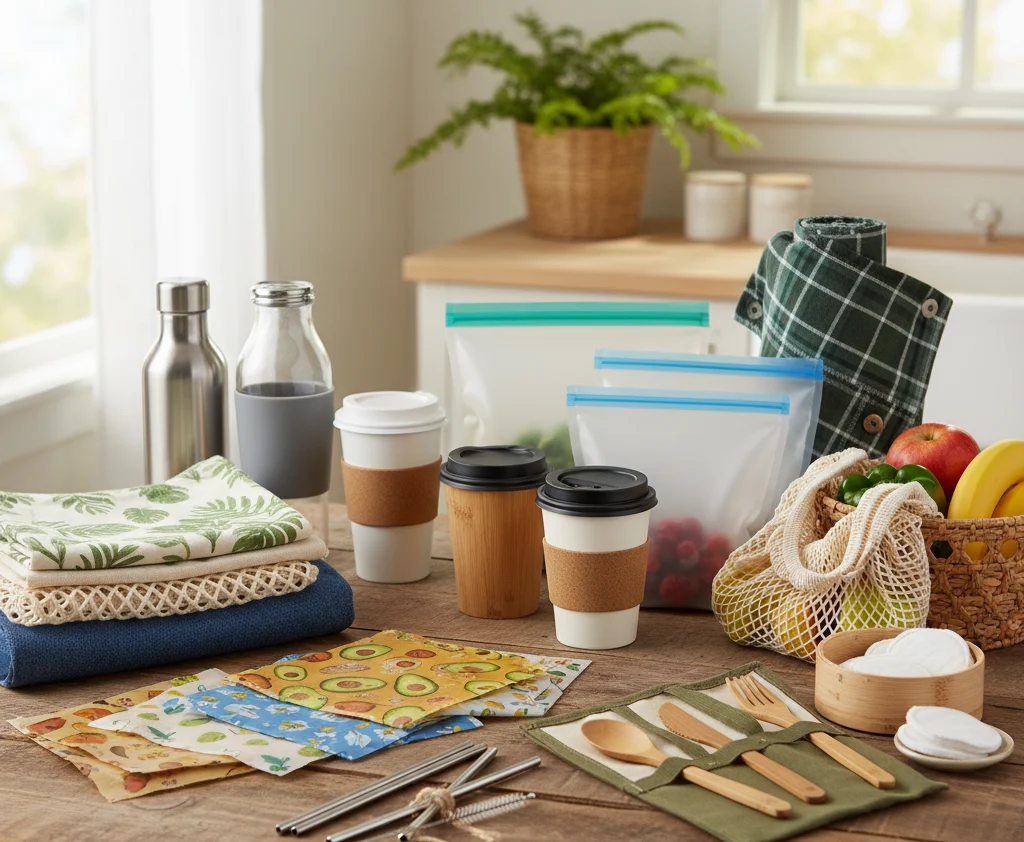
Reusable Product Ideas For American Daily Routines
July 30, 2026Reusable products work best when they replace items people already use often. A fashionable bottle or storage container has little value when it remains forgotten in a cabinet. Practical reusable product ideas should fit normal American routines, be easy to clean, and reduce repeated buying without creating extra work.
Families do not need to replace every disposable item at once. A gradual approach allows people to test what works at home, at work, during travel, and while shopping. Readers exploring simple ideas for more practical daily habits can begin with one high-use item and expand only when the new routine feels natural.
Reusable Product Ideas for Kitchens
The kitchen creates many opportunities for reuse because food storage, drinks, shopping, and cleaning happen repeatedly.
Food Storage Containers
Durable containers can replace some disposable bags, wraps, and takeout storage. Choose sizes that match common meals and fit available cabinet space.
Clear containers may make leftovers easier to see, reducing forgotten food. Stackable designs can also help small kitchens stay organized.
Avoid buying a large matching set without checking which sizes the household actually uses. A few practical containers may serve better than many pieces with no clear purpose.
Reusable Shopping Bags
Keep shopping bags near the front door, inside a vehicle, or beside everyday items. A reusable product cannot reduce waste when it is always left at home.
Wash bags as needed, especially after carrying fresh produce, meat, or leaking products. Assign different bags to specific shopping tasks when that improves cleanliness.
People interested in daily low-waste lifestyle guidance can add reminders to shopping lists until carrying bags becomes automatic.
Build Better Work and School Routines
Lunches, drinks, and snacks can create repeated packaging waste. Reusable items may simplify preparation when families establish a consistent cleaning routine.
Refillable Water Bottles
Choose a bottle that is comfortable to carry, easy to open, and simple to wash. A product that leaks or requires complicated cleaning may be abandoned quickly.
Consider size carefully. A larger bottle reduces refilling but may be too heavy for children or commuters.
Label family bottles to prevent confusion, and inspect seals or lids when leaks begin.
Lunch Containers and Utensils
Reusable lunch boxes, snack containers, and utensils can reduce daily packaging. Keep complete sets together so morning preparation remains quick.
Create a return routine after school or work. Containers should move from bags to the kitchen before food dries inside them.
Discussions about thoughtful routines and household organization often show that the success of reusable products depends more on storage and cleaning than on the purchase itself.
Choose Reusable Cleaning Products Carefully
Cleaning tools can replace repeated purchases, but hygiene and proper care remain important.
Washable Cleaning Cloths
Use separate cloths for kitchens, bathrooms, dusting, and other tasks. A simple color or label system can prevent cross-use.
Wash cloths thoroughly and allow them to dry. Replace damaged items when they no longer clean effectively.
Old cotton clothing may sometimes become cleaning material, but avoid fabrics that shed heavily or perform poorly when wet.
Refillable Cleaning Containers
Some households use refill systems or concentrated products to reduce packaging. Follow instructions carefully and keep every container clearly labeled.
Never reuse beverage containers for household cleaners. Storage safety matters more than reducing one additional package.
Make Reuse Convenient Outside the Home
Travel, errands, and takeout create situations where disposable products are common. Portable reusable items can help when they remain easy to carry.
Travel Cups and Portable Utensils
A reusable cup may fit commuting routines when it seals well and matches available cup holders. Portable utensils can be useful for work lunches or road trips.
Keep these items in a clean pouch rather than loose inside a bag. Wash them promptly after use.
Reusable Produce and Storage Bags
Lightweight produce bags can be stored inside larger shopping bags. Reusable storage pouches may also help organize snacks, cables, toiletries, or small travel items.
Do not buy duplicates without checking current supplies. Reuse should reduce consumption rather than create another category of unused products.
Readers can find practical everyday product and organization ideas and choose options that match their own schedules instead of copying every new trend.
Conclusion
Reusable products are most helpful when they solve a repeated need without adding unnecessary inconvenience. Easy cleaning, sensible storage, and regular use matter more than appearance.
The strongest reusable product ideas begin with honest observation. Notice which disposable items your household uses most, choose one practical replacement, and build a simple routine around it. A product becomes sustainable through continued use, not because of the label printed on its package.
Frequently Asked Questions
What reusable product should a household try first?
Start with an item replacing something used frequently, such as a water bottle, shopping bag, food container, or cleaning cloth.
Are reusable products always less expensive?
Savings depend on purchase price, lifespan, cleaning costs, and frequency of use. Durable items used regularly may reduce repeated spending.
How many reusable shopping bags does a family need?
The right number depends on shopping habits. Keep enough for a normal trip without buying a large unused collection.
How should reusable food containers be cleaned?
Follow product instructions, wash after use, inspect seals and lids, and allow every part to dry before storage.
Are reusable products suitable for children?
Choose age-appropriate items that are easy to carry, open, clean, and identify. Check for damage regularly.
Can old household items be reused instead of buying new products?
Yes. Jars, boxes, cloth, and containers may serve new purposes when they are safe, clean, and suitable for the task.
What causes reusable products to fail?
Poor storage, difficult cleaning, inconvenient design, forgotten items, and buying products that do not match real routines are common reasons.
Should every disposable product be replaced?
No. Focus on high-use items where reuse is safe, practical, and easy to maintain over time.