The Relationship Between Personal Space and Daily Comfort
June 10, 2026Personal space plays a major role in how people experience comfort in their daily lives. Whether at home, at work, or in public settings, the environment around a person can influence mood, focus, stress levels, and overall well being. In modern lifestyles where schedules are increasingly busy and digital distractions are everywhere, creating comfortable personal spaces has become more important than ever.
Daily comfort is not only about luxury or expensive surroundings. It is often connected to how individuals organize, personalize, and emotionally connect with the spaces they use every day. Even small changes in a room or workspace can have a noticeable impact on mental clarity and emotional balance.
Why Personal Space Matters
A personal space gives people a sense of control and stability. When individuals feel comfortable in their surroundings, they are more likely to stay productive, relaxed, and emotionally balanced. This is especially important in homes where people spend significant time working, resting, or connecting with family members.
Many modern homeowners are now focusing on environments that reduce stress and encourage calmness. Comfortable furniture, natural lighting, organized layouts, and quiet corners all contribute to a healthier atmosphere. Digital platforms such as https://timesofbusiness.com.au often discuss how lifestyle preferences are changing alongside modern living trends.
Personal space also allows individuals to recharge mentally. After long hours of social interaction or professional responsibilities, people naturally seek environments where they can relax without pressure or distractions.
The Emotional Impact of Comfortable Surroundings
The emotional connection between people and their surroundings is stronger than many realize. A cluttered or noisy environment can increase feelings of stress and frustration, while a clean and organized space can encourage relaxation and positivity.
Comfortable surroundings often improve concentration as well. Students, remote workers, and creative professionals usually perform better in spaces designed to support focus and mental clarity. This growing interest in balanced living has become a common topic in online discussions, including platforms related to write for us australia business opportunities where lifestyle and workplace trends are frequently explored.
Colors, textures, and lighting also influence emotions. Soft tones and natural materials often create a calming effect, while harsh lighting and crowded layouts may increase discomfort. Personal preferences vary, but the goal remains the same: creating an environment that feels supportive and peaceful.
Personal Space in Modern Work Culture
The relationship between personal space and comfort has become even more noticeable with the rise of remote and hybrid work environments. People are spending more time customizing home offices and improving work setups to support productivity and mental wellness.
Employees who work in comfortable spaces often report higher satisfaction and reduced stress levels. Simple additions such as ergonomic chairs, indoor plants, or organized desks can improve daily routines significantly. Discussions connected to current events australia frequently highlight how work culture continues to evolve as people prioritize flexibility and healthier lifestyles.
Workplaces are also adapting by offering collaborative spaces alongside quiet areas where employees can focus without interruptions. Businesses are increasingly recognizing that physical comfort directly affects motivation and performance.
The Role of Privacy in Daily Comfort
Privacy is another important part of personal space. Having moments away from constant interaction allows people to relax mentally and emotionally. Even in busy households or crowded cities, finding a small private area can help reduce stress.
Many people now design personal corners for reading, meditation, hobbies, or quiet reflection. These small spaces create opportunities to disconnect from pressure and reconnect with personal interests. Reports and discussions around Australian SME insights often mention how wellness focused environments are influencing both residential and commercial design decisions.
Privacy also supports healthier relationships. Individuals who have time and space for themselves often communicate better and feel more emotionally balanced during social interactions.
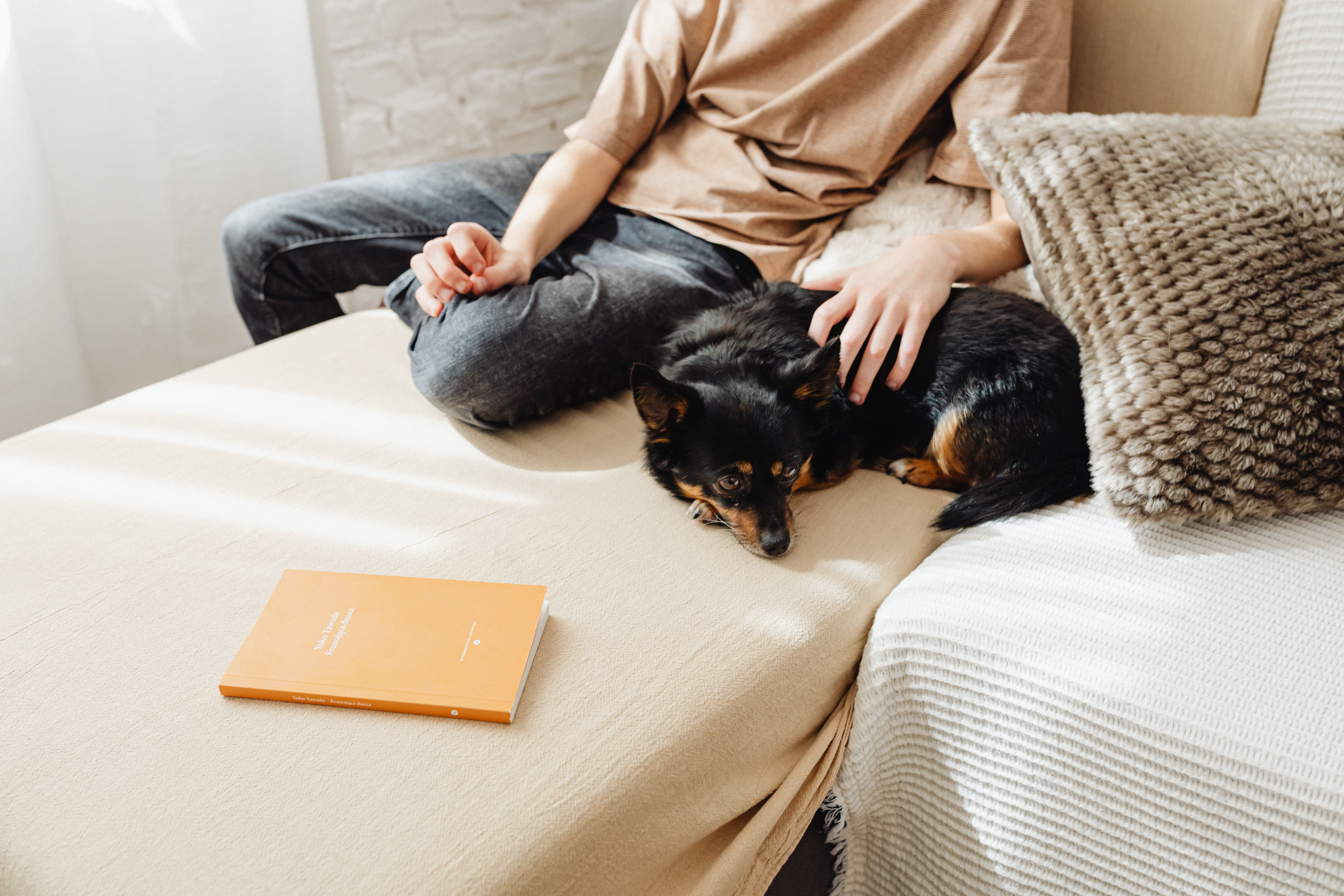
How Minimalism Supports Comfort
Minimalism has become increasingly popular because it encourages cleaner and more intentional living spaces. Removing unnecessary clutter often creates a more peaceful environment and reduces mental overload.
People are becoming more selective about what they keep in their homes and workspaces. Instead of filling rooms with excessive decorations or unused items, many prefer practical layouts that support comfort and functionality.
This trend can also be seen among entrepreneurs and younger professionals featured in the australian startups directory, where modern workspaces frequently prioritize simplicity, flexibility, and comfort driven design.
Minimalism does not mean empty or boring spaces. It simply encourages thoughtful organization and meaningful design choices that improve daily experiences.
Conclusion
The relationship between personal space and daily comfort continues to grow in importance as modern lifestyles become faster and more demanding. Comfortable surroundings influence emotional health, productivity, focus, and overall quality of life. From organized homes to supportive workspaces, the environments people create around themselves can shape how they feel every day. As more individuals recognize the value of balance and relaxation, personal space will remain an essential part of healthy living. Small improvements in organization, privacy, and design can make daily routines more enjoyable while supporting long term mental and emotional well being.