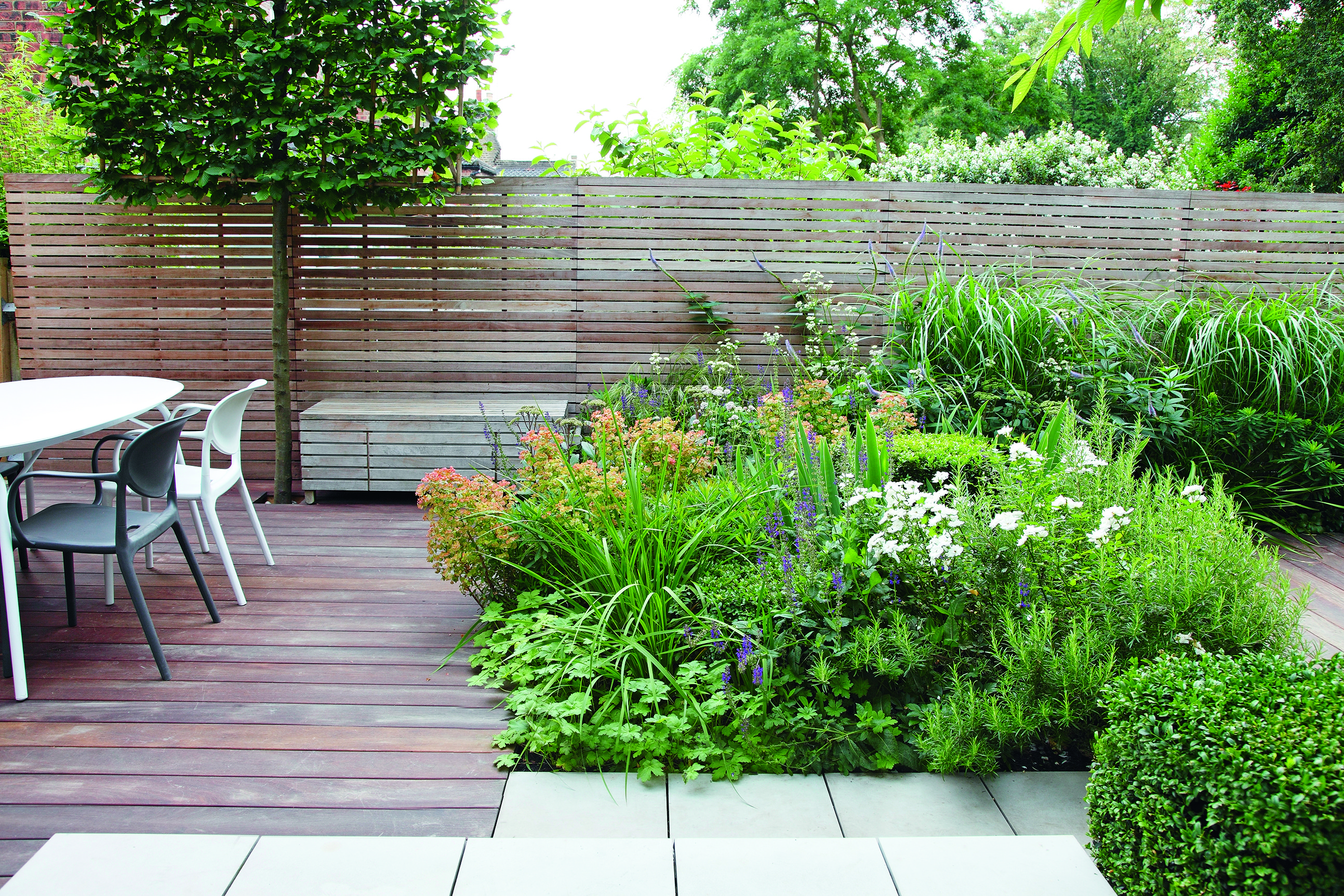
Patio Planter Ideas For American Outdoor Spaces
July 30, 2026Patio planters can bring color, texture, and seasonal interest to outdoor spaces without requiring permanent landscaping. They work well around suburban homes, rental properties, townhouses, apartments, and small urban patios.
Containers can hold flowers, herbs, vegetables, ornamental grasses, and compact shrubs. Their flexibility allows homeowners to change arrangements as seasons, sunlight, and decorating needs change.
Successful patio planting depends on more than selecting attractive pots. Container size, drainage, sunlight, plant growth, watering needs, and placement all affect long-term results.
Match Planter Size to Mature Plant Growth
A small plant may quickly outgrow a narrow container.
Large plants need enough room for roots, moisture, and stability. Containers that are too small may dry quickly and limit healthy development.
Gardeners should research mature size Before selecting pots. A large decorative plant may require a wider and heavier container than expected.
Oversized planters can create strong visual impact, but they become difficult to move after being filled with soil.
Practical outdoor design ideas can help homeowners balance planter size with patio furniture, walkways, doors, and surrounding landscaping.
Check Drainage Before Planting
Every outdoor planter should allow excess water to leave.
Containers without drainage holes may collect rain and damage roots. Decorative pots can sometimes hold a smaller planting container, allowing easier removal and watering.
Drainage openings should remain clear. Soil should not wash out, but water needs a path to escape.
Saucers may protect certain patio surfaces, although standing water should be removed when necessary.
Gardeners should consider local rainfall. A container in a wet region may need different moisture management than one in a dry climate.
Create a Layered Flower Arrangement
Mixed flower planters can include plants of different heights and growth habits.
A taller central plant may provide structure. Medium-height flowers can add fullness, while trailing varieties soften the edge of the container.
This arrangement works best when all plants have similar sunlight and watering needs.
Gardeners should avoid overcrowding young plants. The container may appear open at first, but growth can fill available space quickly.
Repeating similar colors across several containers can connect different patio areas.
Creative patio planter inspiration can provide arrangement ideas for entrances, seating areas, and outdoor dining spaces.
Grow Fresh Herbs Near Outdoor Seating
Herbs can make patio planters both attractive and useful.
Basil, parsley, chives, thyme, mint, and other herbs may grow well in containers when conditions are suitable.
Plants used frequently in cooking can be placed near the kitchen entrance for easy access.
Some herbs spread more aggressively than others. Mint is often grown in its own container to control expansion.
Harvesting should be regular and moderate. Removing too much growth at once may weaken the plant.
Herb containers can also add fragrance around seating spaces.
Use Tall Planters Near Entrances
Tall containers can frame patio doors, steps, or outdoor entrances.
Their height creates visual structure and may raise plants closer to eye level.
Homeowners should check stability, especially in windy areas. Lightweight containers may need additional support or careful placement.
Tall planters do not always need to be filled completely with heavy soil. However, filling methods should support drainage and root needs.
Matching containers can create a formal appearance, while different textures may produce a more relaxed style.
Add Privacy With Container Plants
Large containers can hold ornamental grasses, compact shrubs, bamboo alternatives, or other upright plants suited to local conditions.
Placed along a patio edge, these plants may soften views and create a stronger sense of separation.
Gardeners should research mature width and root needs. Plants expected to grow tall may require large, stable containers.
Privacy plants should not block walkways or create unsafe sight restrictions near steps.
Container-grown screening also needs regular watering because larger plants may use moisture quickly.
Keeping seasonal patio notes can help homeowners track which plants tolerate wind, summer heat, and changing sunlight.
Choose Heat-Tolerant Plants for Sunny Patios
Patio surfaces can become warmer than surrounding garden soil.
Concrete, brick, stone, and walls may reflect or hold heat. Plants in full afternoon sun can experience rapid moisture loss.
Heat-tolerant flowers and foliage plants may perform better in exposed locations.
Light-colored containers may absorb less heat than dark surfaces, although material and placement also matter.
Gardeners should check soil moisture regularly during hot weather. Small containers may need more frequent attention than larger ones.
Use Shade Plants in Covered Areas
Covered patios and north-facing spaces can still support attractive planters.
Shade-tolerant flowers and foliage plants may provide color without strong direct sunlight.
Gardeners should distinguish between bright shade and very dark conditions. A covered area may still receive useful indirect light.
Plants should not be selected only because they tolerate shade. Temperature, humidity, and moisture needs remain important.
Decorative foliage can provide interest even when flowering options are limited.
Mix Edible and Decorative Plants
Patio containers can combine practical crops with flowers.
Compact peppers, lettuce, strawberries, herbs, and small tomato varieties may fit into decorative arrangements.
Every plant should have enough root space and compatible care needs.
Edible plants may require more regular watering and harvesting than ornamental varieties.
Flowers can add color around vegetables, but gardeners should avoid overcrowding.
Container gardening allows households to grow small amounts of food without building permanent beds.
Protect Patio Surfaces
Water, soil, rust, and container weight may affect outdoor flooring.
Pot feet can raise containers slightly and improve airflow beneath them.
Protective trays may reduce water marks, although trapped moisture should be monitored.
Heavy containers should not be dragged across finished surfaces. A plant caddy may make movement easier.
Homeowners should check rental or property guidelines before installing permanent supports.
Change Arrangements With the Seasons
One advantage of patio containers is flexibility.
Spring flowers can be replaced with heat-tolerant summer plants. Autumn arrangements may include seasonal foliage, while cold-weather choices depend on regional climate.
Not every container needs to be changed at once. Permanent shrubs or grasses can remain as structural elements while smaller pots provide seasonal color.
Calm outdoor lifestyle guidance can help homeowners create manageable arrangements instead of filling every empty space.
Patio planters can improve outdoor spaces when containers match the plants and property. With proper drainage, suitable sunlight, balanced arrangements, and regular watering, American homeowners can create flexible displays that support flowers, food plants, privacy, and relaxation throughout the growing season.