Simple Strength Exercises for Better Balance and Stability
July 31, 2026Balance depends on the muscles, joints, eyes, inner ear, nerves, and brain working together. Strength plays a central role because the body needs muscular control to remain steady during standing, walking, turning, and climbing stairs.
Balance can decline with inactivity, aging, injury, medication effects, or certain health conditions. Simple strength exercises may improve confidence and reduce the difficulty of everyday movement.
People beginning balance and stability exercises should practice near a sturdy chair, wall, or countertop. Safety matters more than completing an advanced movement.
Sit-to-Stand Exercise
Sit near the front of a sturdy chair with the feet flat on the floor.
Lean forward slightly from the hips and press through the feet to stand.
Pause briefly, then lower back to the chair with control.
Use the armrests when necessary. Over time, reduce hand support as strength improves.
Begin with five repetitions.
Calf Raises
Stand behind a sturdy chair and hold it lightly.
Rise onto the toes by lifting both heels from the floor.
Pause, then lower slowly.
Keep the body upright and avoid rocking forward.
Calf strength supports walking, stair climbing, and ankle control.
Toe Raises
Stand with support and lift the toes while keeping the heels on the floor.
This strengthens the muscles at the front of the lower legs.
Move slowly and keep the knees relaxed.
Toe strength may help the body clear the feet during walking.
Side Leg Raises
Stand beside a chair and hold it for balance.
Keep one leg straight and move it slowly to the side.
Avoid leaning the torso or turning the toes upward.
Return the foot with control and repeat.
This exercise strengthens muscles that help stabilize the pelvis during walking.
Backward Leg Raises
Stand upright with hand support.
Move one leg backward without arching the lower back.
Squeeze the buttock muscles gently and return to the starting position.
Keep the movement small and controlled.
Stronger hip muscles may improve stability.
Mini Squats
Stand behind a chair with the feet comfortably apart.
Bend the hips and knees slightly as though beginning to sit.
Keep the feet stable and the knees moving in the same general direction as the toes.
Return to standing.
The squat does not need to be deep.
Step-Ups
Use a low, stable step with a handrail or nearby support.
Place one foot fully on the step and press through it to rise.
Bring the other foot up, then step down carefully.
Begin with a small number of repetitions.
Increase the step height only after the movement feels stable.
Wall Push-Ups
Stand facing a wall and place the hands slightly wider than shoulder width.
Bend the elbows and bring the chest toward the wall.
Push back to the starting position.
Keep the body in a straight line.
Upper-body strength can help with transfers, pushing doors, and recovering from a loss of balance.
Resistance-Band Rows
Secure a resistance band safely at chest height or hold it around a stable support.
Pull the handles toward the body while squeezing the shoulder blades gently.
Return slowly.
Rows strengthen the upper back and may support upright posture.
Check the band for damage before use.
Structured active strength routines should begin with light resistance.
Glute Bridges
Lie on the back with the knees bent and feet on the floor.
Tighten the abdominal muscles gently and lift the hips.
Stop before the lower back arches excessively.
Lower with control.
Use a comfortable surface and avoid the exercise when floor transfers are unsafe.
Seated Knee Extensions
Sit upright in a chair.
Straighten one knee until the leg is almost level.
Pause, then lower slowly.
Repeat on the other side.
This exercise strengthens the muscles at the front of the thighs.
Seated Marching
Sit tall with both feet on the floor.
Lift one knee, lower it, and then lift the other.
Keep the trunk controlled.
This movement can strengthen the hip muscles and increase circulation.
It is useful for people who are not ready for standing exercises.
Heel-to-Toe Standing
Stand near a counter and place one foot directly in front of the other.
Hold the position while using light hand support.
Switch the foot position.
This narrows the base of support and challenges balance.
Do not attempt it without something stable nearby.
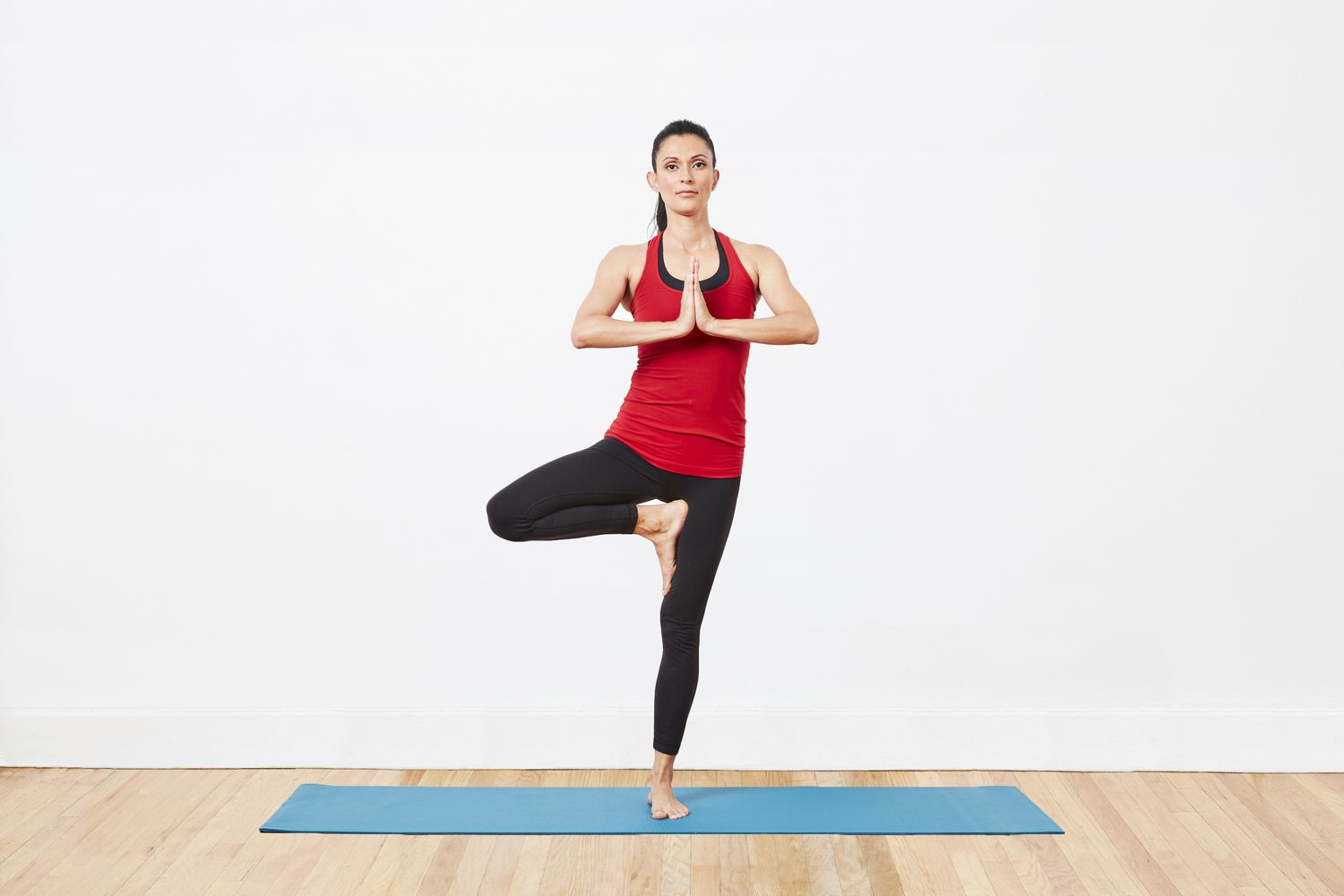
Single-Leg Standing
Stand beside a sturdy support.
Lift one foot slightly from the floor.
Hold for a few seconds, then switch sides.
Use one or both hands as needed.
Increase the time gradually rather than removing support too quickly.
Side Stepping
Stand beside a countertop.
Step to the side with one foot, then bring the other foot toward it.
Continue for several steps and return in the opposite direction.
Keep the knees slightly bent and the feet facing forward.
Side stepping strengthens the hips and practices lateral movement.
Marching in Place
Stand with support and lift one knee at a time.
Begin with small movements.
Maintain an upright posture and controlled pace.
Marching can improve coordination and prepare the body for walking.
Practice Controlled Turns
Turning quickly can challenge balance.
Practice taking several small steps to turn rather than twisting on one foot.
Use a clear area without rugs or obstacles.
Look in the direction of movement and remain close to support.
Strengthen the Core
Core muscles help control the trunk during movement.
Seated abdominal bracing is a simple starting point. Sit upright and tighten the abdominal muscles gently without holding the breath.
Hold for several seconds and relax.
Progress to bird-dog variations or carrying light objects when appropriate.
Helpful body stability and recovery guidance should emphasize control rather than intense abdominal strain.
Improve Footwear and Environment
Exercise is only one part of fall prevention.
Wear shoes that fit securely and have suitable grip. Avoid loose slippers during balance practice.
Remove clutter, unsecured rugs, and electrical cords from walking areas.
Improve lighting in hallways, bathrooms, and stairways.
Install handrails where necessary.
Progress Gradually
Begin with one set of five to ten repetitions.
Add repetitions before adding resistance.
Practice two or three times per week while allowing recovery.
Balance exercises may be performed more frequently when they remain safe and comfortable.
Stop when fatigue causes shaking, poor control, or dizziness.
Review Medications and Vision
Some medications can cause dizziness, low blood pressure, or sleepiness.
Regular vision checks may also support safer movement.
Discuss repeated falls or near-falls with a healthcare professional.
Do not assume that balance problems are an unavoidable part of aging.
Know When to Seek Medical Advice
Sudden balance loss, new weakness, severe dizziness, speech changes, or facial drooping requires emergency attention.
Persistent unsteadiness may be related to the inner ear, nerves, medication, blood pressure, or another condition.
A physical therapist can assess strength, walking, and fall risk.
Responsible balance safety information should encourage professional assessment when symptoms are new or worsening.
Better balance grows from stronger legs, hips, trunk, and upper body. Chair squats, calf raises, step-ups, rows, and supported standing exercises provide a practical starting point. Practice near stable support, progress slowly, and make the home environment safer at the same time.